Sofa & Upholstery Cleaning in Singapore
How hot-water extraction actually works
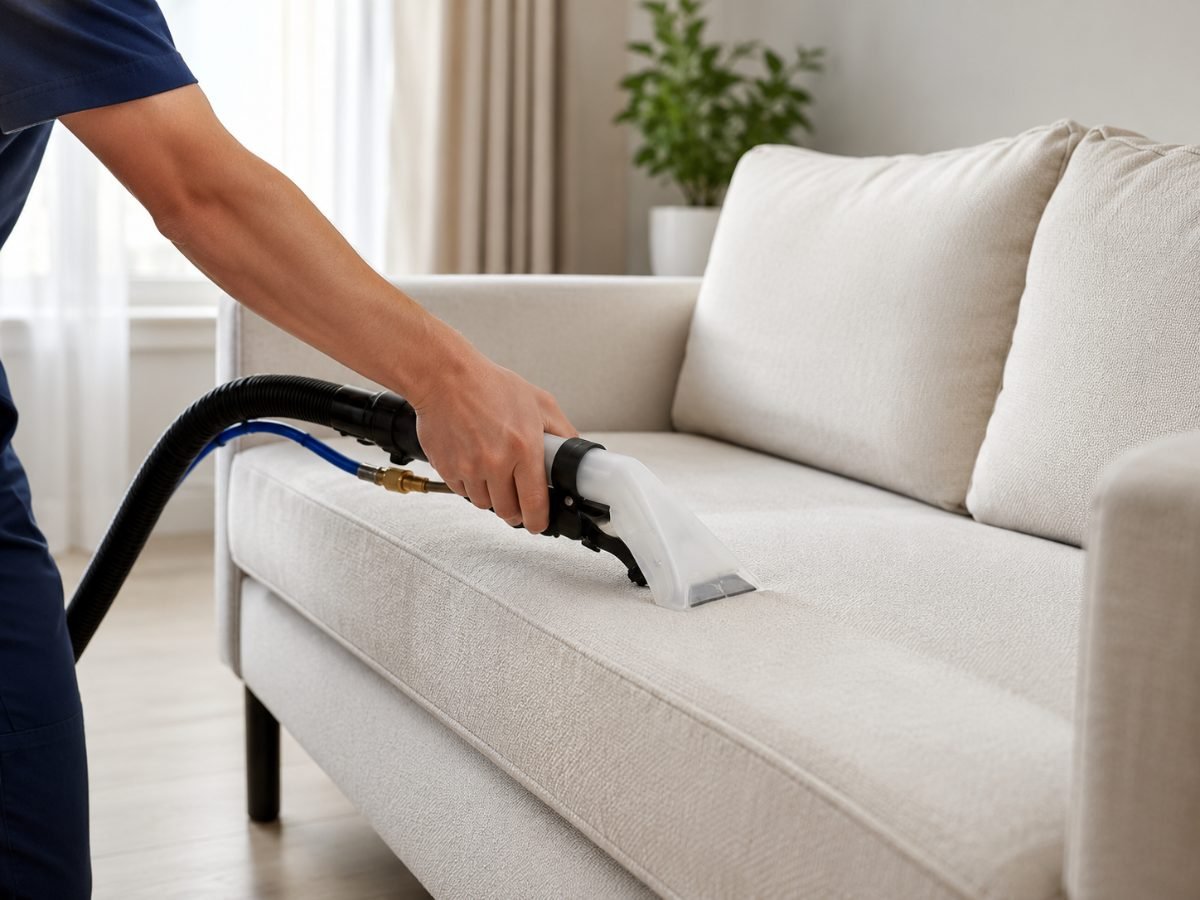
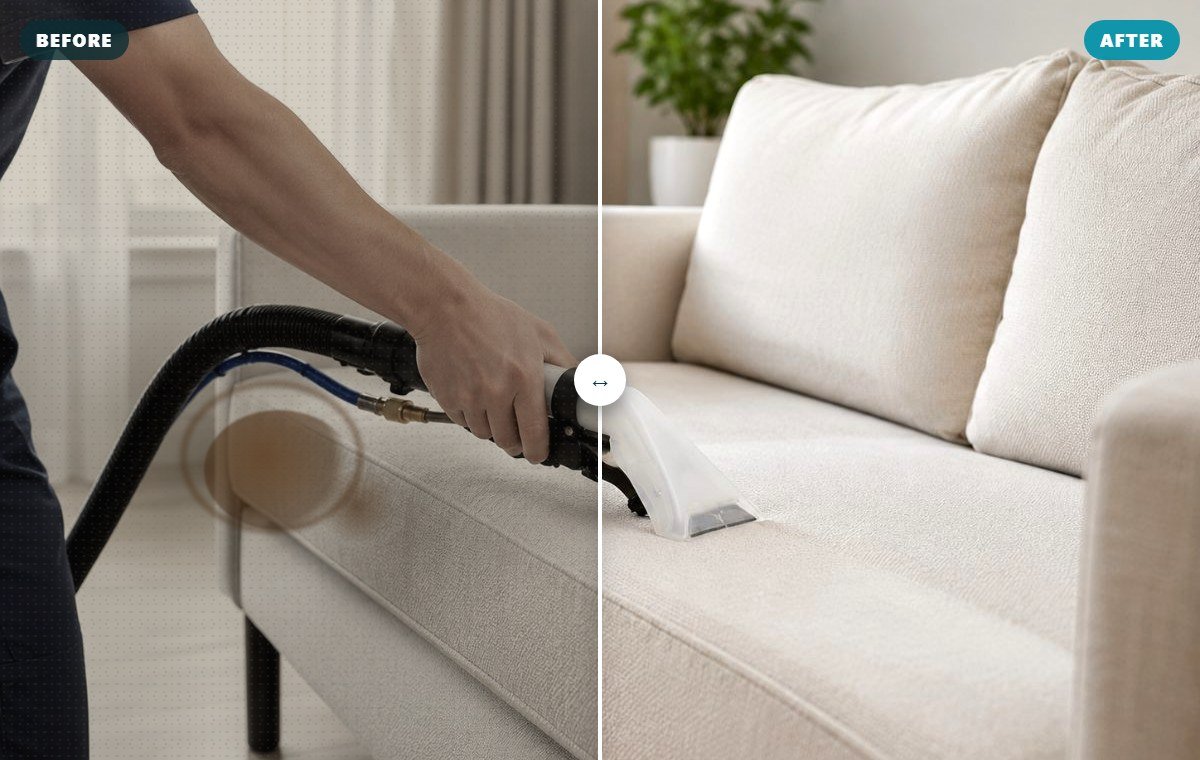
Heated solution is worked into the upholstery under pressure, softening oils and releasing soil that has bonded to the fibres. The heat does most of the work, which is why far less detergent is needed than with shampooing.
The same head draws that solution straight back out, carrying the dissolved dirt with it. Nothing is left behind to dry back into the padding — the difference between extraction and simply wetting a sofa.
Only as much moisture as the material will take, followed by a dry pass to lift the rest. In Singapore humidity, upholstery left damp causes more problems than the dirt did.
Pile is groomed back into direction and airflow set up so the piece dries evenly rather than in patches, which is what leaves watermarks.
Every upholstered piece in the room
Sofas are only part of it. Armchairs, recliners, dining seats and office chairs collect the same oils and dust, and are cleaned on the same visit rather than booked separately.
Fabric sofas
Woven, linen, cotton, microfibre and velvet upholstery, cleaned by hot-water extraction that lifts soil out of the weave rather than pushing it deeper. See fabric sofa cleaning for the full detail.

Leather sofas
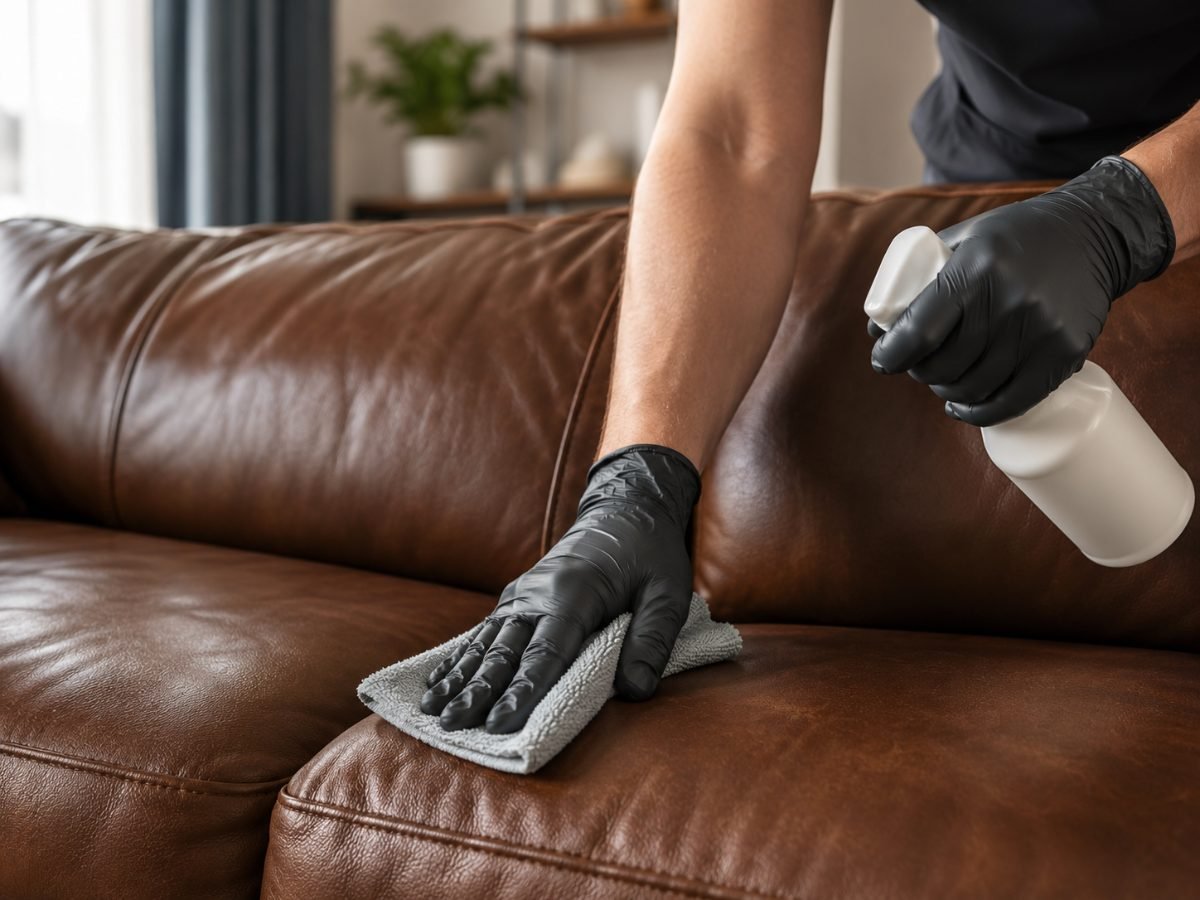
Hide needs the opposite approach — controlled moisture, pH-appropriate cleaner and conditioning so it does not dry out or crack. See leather sofa cleaning for the full detail.

Armchairs & recliners
Single seats take concentrated wear on the arms, headrest and seat pad. Mechanisms and seams are worked around carefully during extraction.
Dining & office chairs
Upholstered dining seats collect food and oil marks; office chairs collect body oils and dust. Both are cleaned as a set so the finish stays even.
Which service does your furniture need?
Woven and upholstered fabric
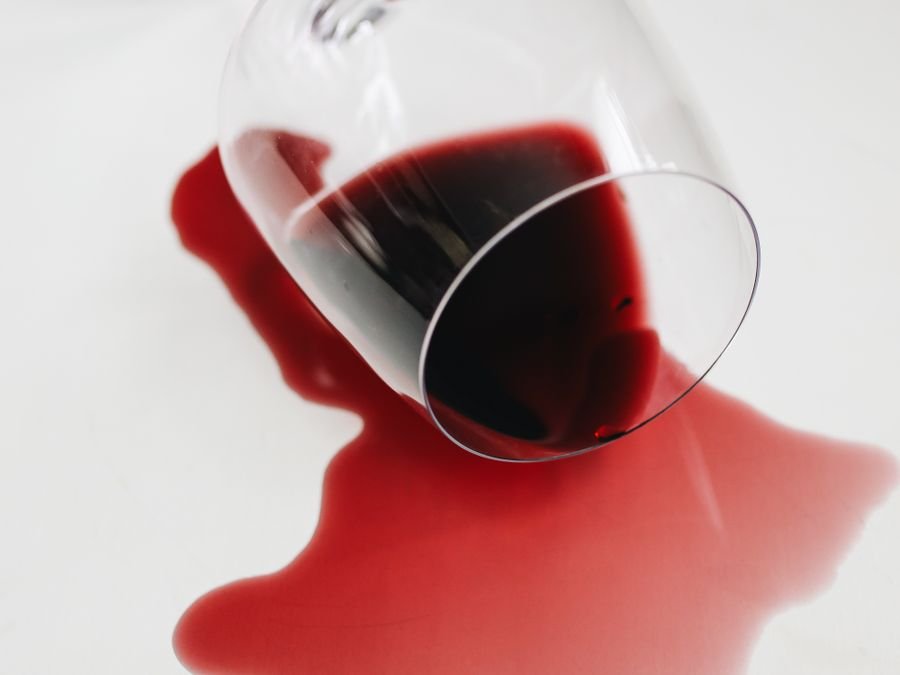
Linen, cotton, polyester blends, microfibre and velvet are cleaned by extraction. See fabric sofa cleaning for the weave-by-weave detail.
Leather and faux leather
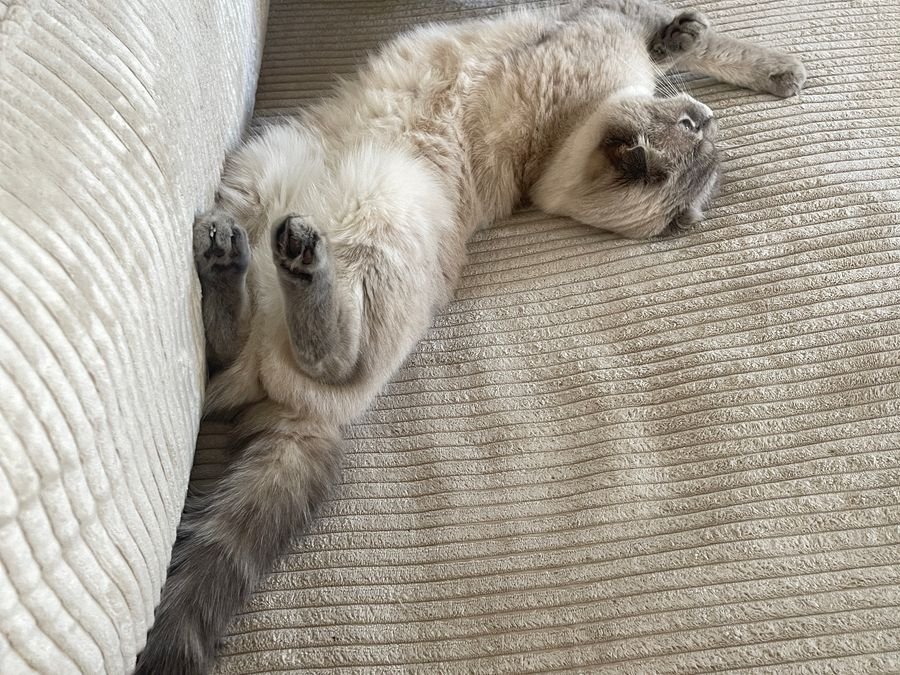
Hide is cleaned and then conditioned, never soaked — the opposite discipline. See leather sofa cleaning for aniline, pigmented and bonded finishes.
Not sure which you have
Plenty of people cannot tell bonded leather from a coated weave, and the wrong method damages both. We identify the material on arrival and use what suits it.
Mixed materials in one room
A fabric sofa, a leather armchair and upholstered dining chairs in one room are handled in a single visit, each by its own method.
Delicate and structured pieces
Antique frames, buttoned backs and loose covers are assessed before anything is applied. Some pieces are better cleaned low-moisture than extracted.
Offices, rentals and Airbnbs
Cleaned around your hours, with drying time factored in so a space is usable again when you need it.
Sofa and upholstery cleaning done with care
What a visit looks like
A pigmented leather recliner in a Bishan flat, dull across the headrest and armrests from years of contact with skin and hair oils.
Cleaned with a pH-appropriate leather solution rather than extraction, then conditioned to put suppleness back into the hide.
Sheen restored across the contact points, with the hide noticeably softer to the touch.
Six upholstered dining chairs with food marks and grease across the seat pads, cleaned in the client’s home rather than collected.
Each seat pre-treated and hot-water extracted, with the backs and frames wiped down as part of the same visit.
Marks lifted and the set left matching, with no single chair standing out as newer.
A living room with a three-seater fabric sofa, a leather armchair and a wool rug, all needing attention before a family gathering.
Fabric extracted, leather cleaned and conditioned, rug treated separately — three methods, one appointment.
The whole room finished together, dry and back in use the same evening.
Sofa & Upholstery Cleaning in Singapore — your questions
Pricing depends on the number of seats, the material and the condition. A standard three-seater is straightforward to quote; sectionals, recliners and heavily soiled pieces are quoted after we know the size and fabric. Send a photo over WhatsApp and we will come back with a figure.
Steam cleaning, more precisely hot-water extraction, injects heated solution into the upholstery and immediately draws it back out with the loosened soil. It reaches below the surface, which vacuuming cannot. Dry or low-moisture methods suit fabrics that cannot take water, and leather is cleaned differently again. We choose the method after checking the care code.
It depends on what your sofa is made of, and the two need genuinely different handling. Fabric is cleaned by extraction; leather is cleaned and then conditioned so the hide stays supple. If you are not sure which you have, we will identify it on arrival — or read more about fabric sofa cleaning and leather sofa cleaning.
Most fabric sofas are touch-dry within a few hours and fully dry within about a day, depending on the material, thickness and airflow. Running the air-conditioning or a fan shortens it considerably, which matters in Singapore humidity. Leather is wiped down and is ready to use almost immediately.
On-site, at your home or office. The extraction equipment comes to you, so nothing is taken away and there is no wait for a return delivery. We only need access to a power point and a little room to work around the piece.
We choose solutions with families, children and pets in mind and rinse thoroughly during extraction, so little residue is left behind. Keeping children and pets off the furniture until it is dry is sensible, mainly because damp upholstery picks up fresh dirt easily.