Post-Renovation Cleaning in Singapore
Settle in to a properly clean home
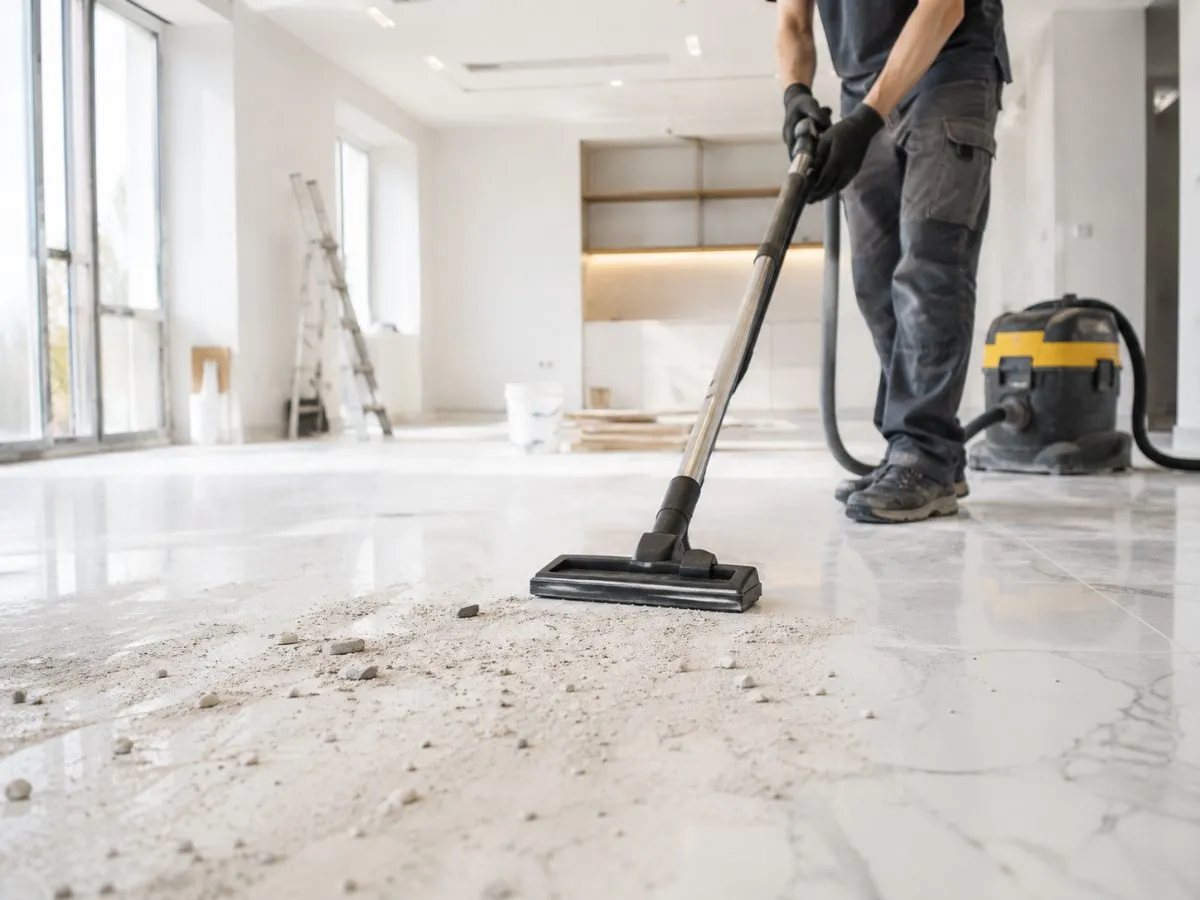
Removal of fine renovation dust from surfaces and fabrics. The powder left by cutting, sanding and drilling is far finer than household dust, so it settles into weave and grain rather than sitting on top where a cloth can take it away.
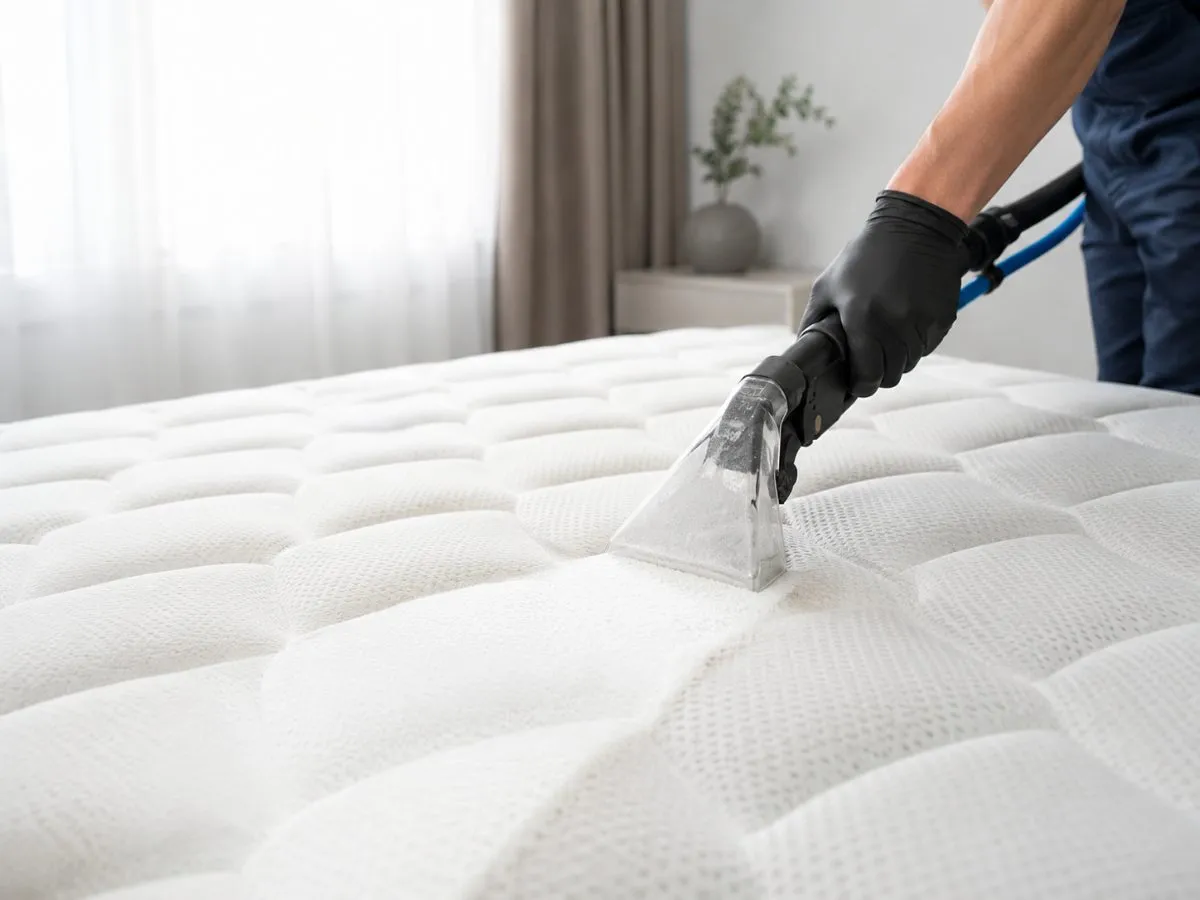
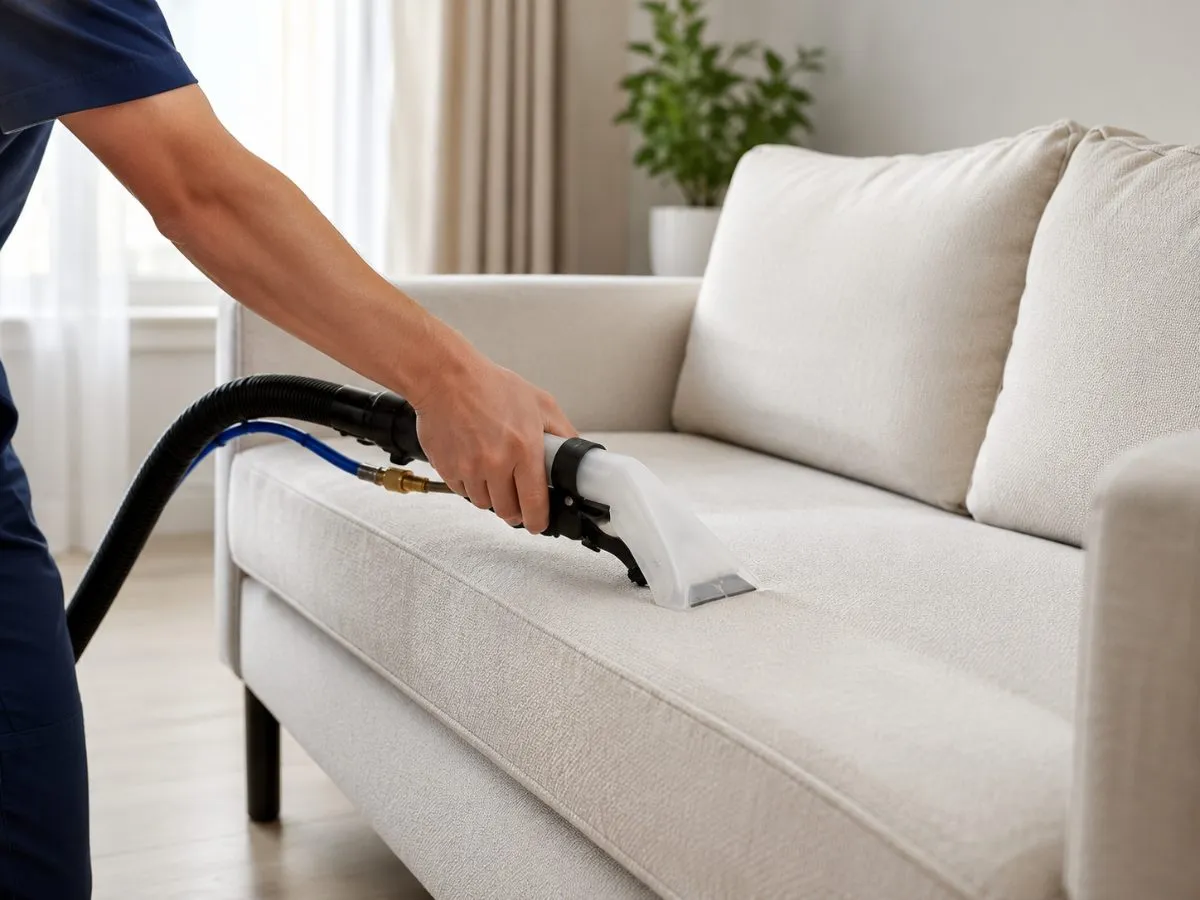
Deep cleaning for sofas, mattresses and curtains affected by dust. These are the items that hold the most and release it back slowly, which is why a unit can be wiped down twice and still feel dusty a week later.
Attention to corners, edges and high-contact spots — the places fine dust settles into and stays, because they are missed by the broad sweep that covers open floor and worktops.
A cleaner space to settle back into, with the soft furnishings dealt with rather than left to keep shedding dust into the rooms you have just finished paying to renovate.
After renovation and A&A works
After renovation
Clearing fine dust once the works are done. Booking after the last dust-producing stage means the clean is not undone by another round of cutting or sanding a few days later.
Before move-in
A clean unit ready to settle into. Furnishings moved in during or just after works will already hold dust from the fitting-out, so cleaning before you unpack properly is simpler than working around furniture afterwards.
Offices & retail
Commercial spaces after a fit-out. Office chairs, fabric partitions and carpet tiles collect the same fine dust as a home, and staff notice it first as stuffiness rather than as visible dirt.
Soft furnishings
Sofas, mattresses and curtains full of dust. Soft furnishings act as the reservoir — until they are cleaned, the dust has somewhere to live and keeps returning to the surfaces around them.
Common post-renovation problems we tackle
Fine renovation dust
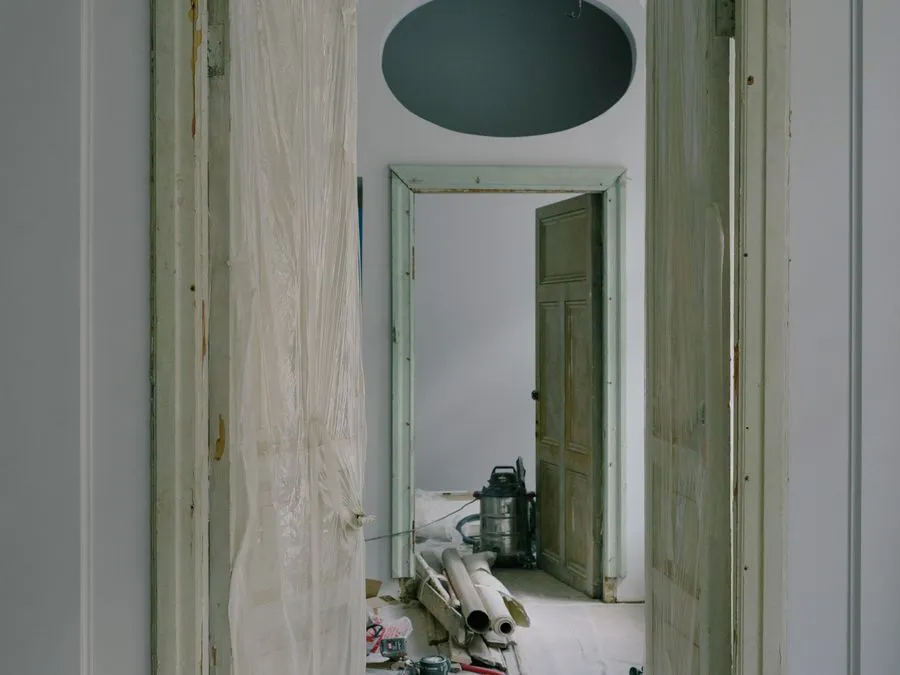
The powder that settles on every surface. It stays airborne for hours after work stops, so it keeps landing long after the contractors have packed up and the unit looks finished.
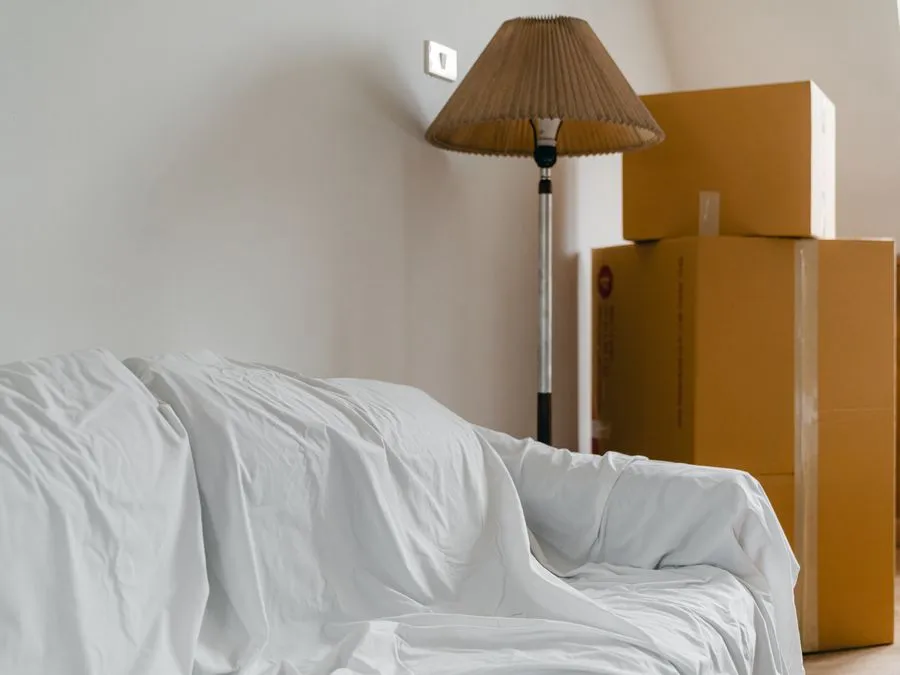
Dust in upholstery
Fine dust deep in sofas and mattresses, pushed down into the fibre every time someone sits or lies down — well past the depth a household vacuum reaches.
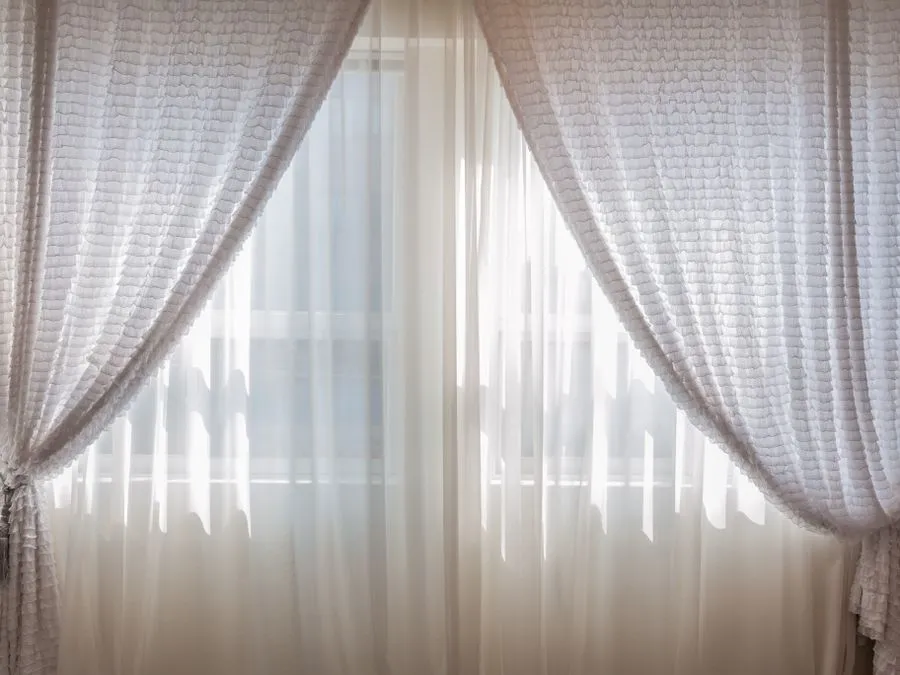
Dust in curtains & corners
Particles trapped in fabric and edges. Curtains hold a surprising load and release it in a visible puff whenever they are drawn, which spreads it through the room again.
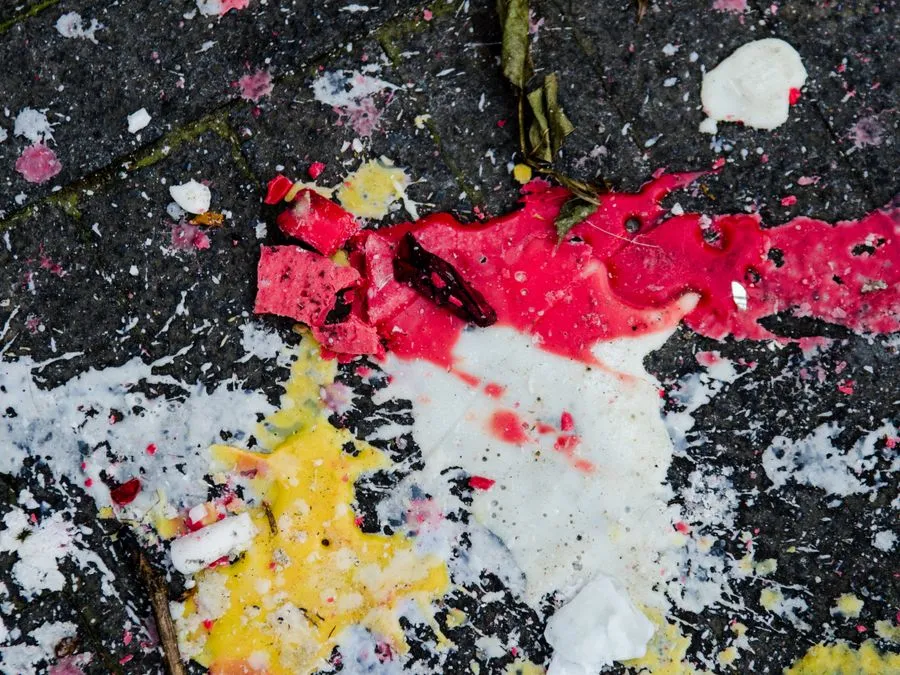
Paint & cement specks
Small splatters left after the works — paint flecks, cement haze and adhesive marks that survive a general clean-up because they need attention rather than a wipe.
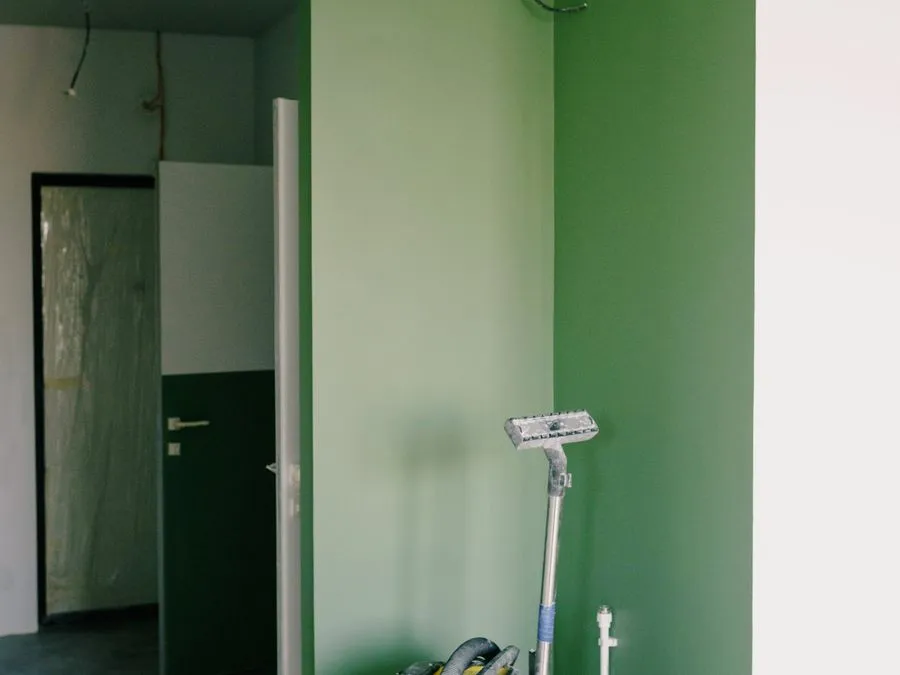
Grime on floors & skirting
Build-up along edges and corners, where dust mixes with moisture and foot traffic into a film that ordinary mopping pushes around instead of lifting.

Allergy-triggering dust
Fine particles that irritate the airways. Renovation dust is small enough to stay suspended and be breathed in, which is why a newly finished unit can feel stuffy well after it looks clean.
Post-Renovation Cleaning done with care
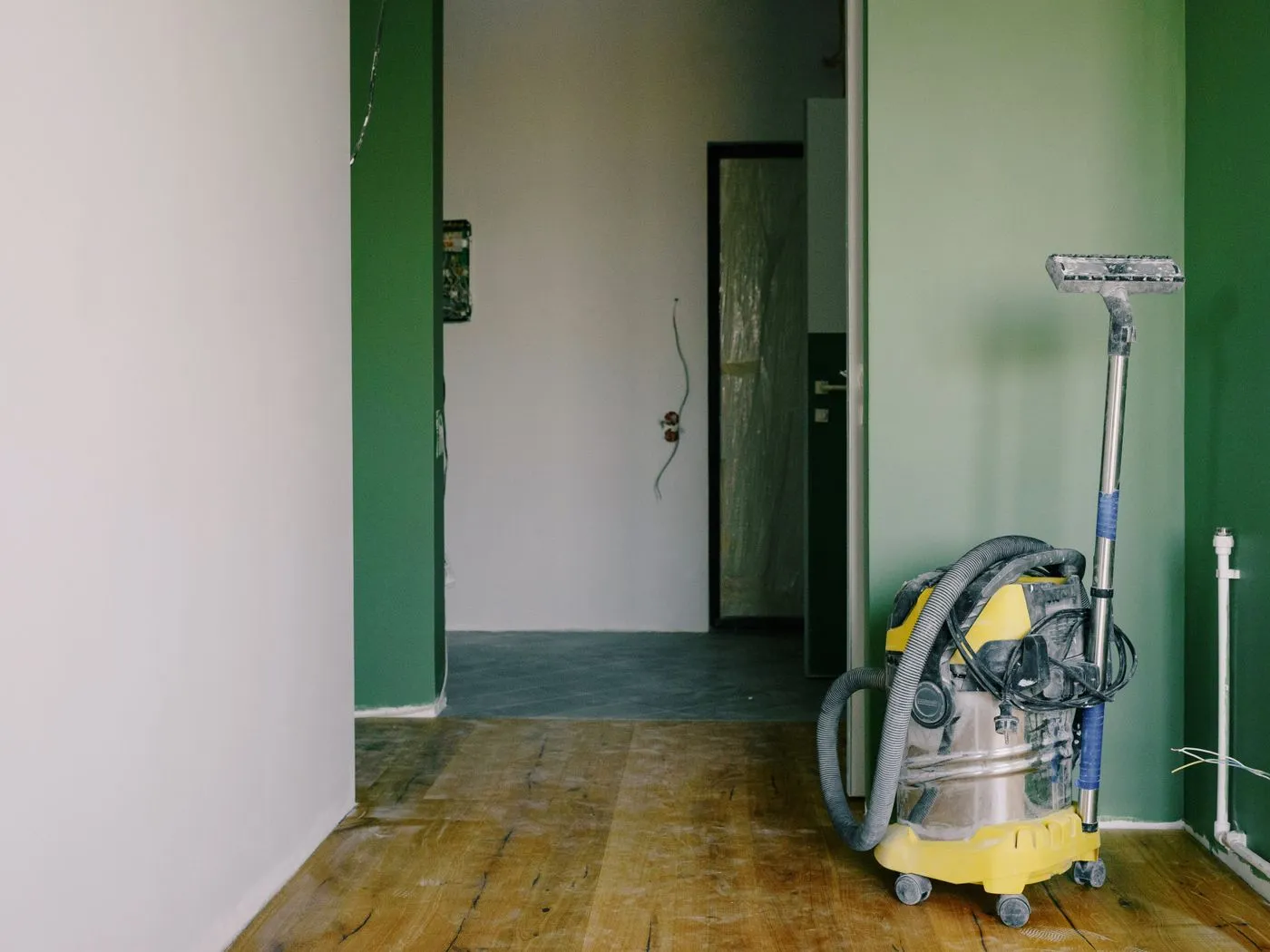
Ideal after renovation, painting or A&A works — the jobs that leave the most fine dust behind in soft furnishings rather than on the surfaces people think to check.
Pairs well with mattress, sofa and curtain cleaning, since those are usually the items holding the dust. Booking them together means the whole reservoir is dealt with in one visit.
Useful for landlords preparing a unit between tenancies, where soft furnishings stay with the property and carry over whatever the last works left in them.
Post-Renovation Cleaning in Singapore — your questions
We focus on clearing fine renovation dust and deep cleaning affected soft furnishings such as sofas, mattresses and curtains. Tell us the scope for a tailored quote.
We specialise in upholstery and soft-furnishing cleaning after renovation. Let us know your needs and we will advise on scope.
After major dust-producing works are complete, so the clean is not undone. We can help you plan the timing.
It depends on the size of the space and the items involved. Message +65 9842 7842 for a quote.
Renovation dust is far finer than household dust, because it is produced by cutting, grinding and sanding hard materials. Particles that fine stay airborne for hours after the work stops, then settle into every surface in the unit – including deep into sofa fabric, mattresses and curtains, where ordinary wiping and vacuuming will not lift it.
Because it is still held in the soft furnishings. Fine dust settles into upholstery, mattresses and curtains and is released back into the air every time someone sits down, opens a curtain or turns on a fan – which is why a unit can be wiped down thoroughly and be dusty again within days. Until the soft furnishings are cleaned, the reservoir is still there.
We specialise in upholstery and soft-furnishing cleaning after renovation rather than general contractor clean-up. That means sofas, mattresses, curtains and carpets – the items that hold fine dust and keep releasing it. Let us know your needs and we will advise what we can cover for your situation.
After. Book once all major dust-producing works are complete, so the clean is not undone by the next round of cutting or sanding. If works are being done in phases, tell us the schedule and we can help you plan the timing so you are not paying to clean the same sofa twice.
Usually yes, and more than people expect. Fine dust does not respect doorways – it travels on air currents through the whole unit, and air-conditioning moves it further. Soft furnishings in rooms well away from the works routinely hold renovation dust, which is why the smell and the film on surfaces persist after the room itself is finished.
Clear small loose items off the furnishings that need cleaning so the surfaces are accessible, and if any construction debris is still in the unit have that removed first. Tell us what is being cleaned when you enquire and we will confirm anything else specific to your items before the day.
A new handover carries the same fine dust as a renovation, from the fitting-out works and from whatever was done to neighbouring units in the same period. If furnishings have already been moved in, they will have collected it. Cleaning before you settle in is simpler than working around furniture later.